




Colours from nature – blog by Ineke Eebes
Colours from nature
'Nature is so smart, it put the medicine inside the food....'
Now that it has become clear that a relatively small group of people have risk factors for complications from COVID, I notice that with the arrival of autumn and new mutations, tension is rising again. That is why, before September arrives, I want to draw attention to prevention — specifically to substances that are perhaps somewhat underestimated by many people.
It is unavoidable that we will all come into contact with COVID sooner or later. Most people will not notice much because their detoxification and immune capacity is adequate. That some people develop a severe course of illness and complications is, unfortunately, not always preventable — but often it is.
With autumn approaching, I decided to further educate myself on this topic. During the training, something immediately stood out. Both in the field of prevention and recovery, one word kept recurring: ‘flavonoids’.
What are flavonoids?
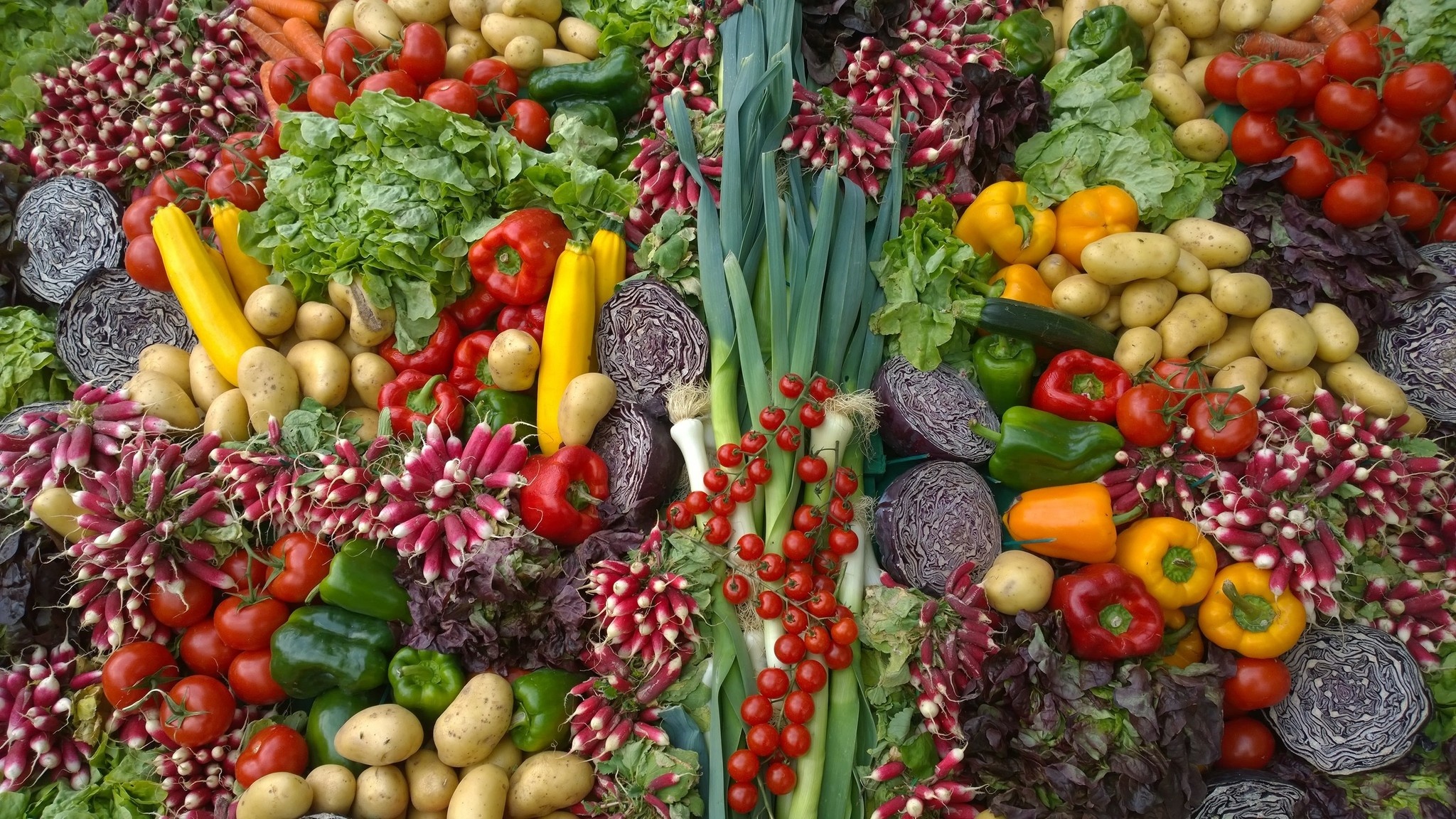
Flavonoids are plant compounds that give fruits and vegetables their colour. There are more than 4,000 types, and they offer a wide range of health benefits. They are well known for their antioxidant properties, protecting our tissues from oxidative damage, but they do much more. They have anti-inflammatory effects, influence the absorption of other substances such as vitamin C and zinc, help prevent atherosclerosis and platelet aggregation, support liver function, and much more.
In addition, they play an important role in our immune system during viral or bacterial infections. I would like to discuss a few of these key functions in this article.
Zinc ionophores
Zinc is used, among other things, in an active immune system. For proper immune function, zinc needs to enter the cell, where it can help inhibit viral replication. To transport zinc into the cell, we need ‘zinc ionophores’. This is why hydroxychloroquine was used successfully by physicians — until it was no longer permitted. Its function was to transport zinc into the cell. Fortunately, nature provides zinc ionophores itself. They are found in flavonoids. Quercetin, for example, contains these ionophores, as do polyphenols from green tea.
Good to know: one of the deficiency symptoms of zinc deficiency is loss of smell — which is also a symptom of COVID-19.
Natural anti-inflammatory agents
An active immune system requires a great deal of energy. That is why you feel tired when you are ill or recovering — which is entirely logical. When you are ill, which is essentially a detoxification and healing process, you do not exercise, reproduce, and often do not even feel like eating. You may feel down and less sociable. The immune system is efficient and temporarily shuts down non-essential activities so all energy can be directed toward immune defence. At that moment, you do not want to suppress the immune system — you need it.
So when do you want to calm the immune system? When you just don’t seem to recover. The virus is gone, but your immune system remains overactive: a bit of congestion, a mild cough, slight fever, lingering fatigue — never quite fully well.
There are flavonoids that are very suitable as natural anti-inflammatory agents. These can also be used preventively in supplement form, although obtaining flavonoids from food is always preferable. The most important ones include: resveratrol, curcumin, EGCG (green tea) and quercetin.
There is also one particularly interesting anti-inflammatory and antioxidant compound that additionally protects the brain from damage: astaxanthin — the pink, yellow and orange colours found in nature. Astaxanthin is considered one of the most powerful antioxidants in nature (1).
Danish study
A Danish study (2) found that daily consumption of flavonoids significantly reduced the risk of death from cancer and cardiovascular disease. This is not the first time that the positive effects of bioflavonoids on cancer and cardiovascular disease have been demonstrated, but it is the first time such effects were observed in a study of this scale. An optimal daily intake of flavonoids appears to be around 500 mg. “If you drink a cup of tea, eat an apple, an orange, 100 grams of blueberries and 100 grams of broccoli in one day, you will have consumed approximately 500 milligrams of flavonoids.”
Supplements
The best prevention against complications from toxic exposure or infections is a healthy and varied diet, regular physical activity, sunlight and meditation. Make sure you eat as wide a variety of fruits and vegetables as possible. Use plenty of herbs in your meals. Drink water (with minerals) and choose organic foods. Unfortunately, we live in a toxic world, which means that using supplements is often no longer a luxury.
Most supplements can be taken temporarily, for example when healthy living falls short or when underlying health issues are present.
In addition to zinc, one supplement I strongly recommend using consistently — especially during the months containing the letter ‘R’ — is vitamin D. Vitamin D is crucial for a healthy immune system. It helps prevent inflammation from getting out of control, known as hyperinflammation (an overactive immune response). Vitamin D acts as a regulator that keeps things balanced. An optimal vitamin D status is one of the key factors in preventing complications.
Ineke Eebes
Sources:


