

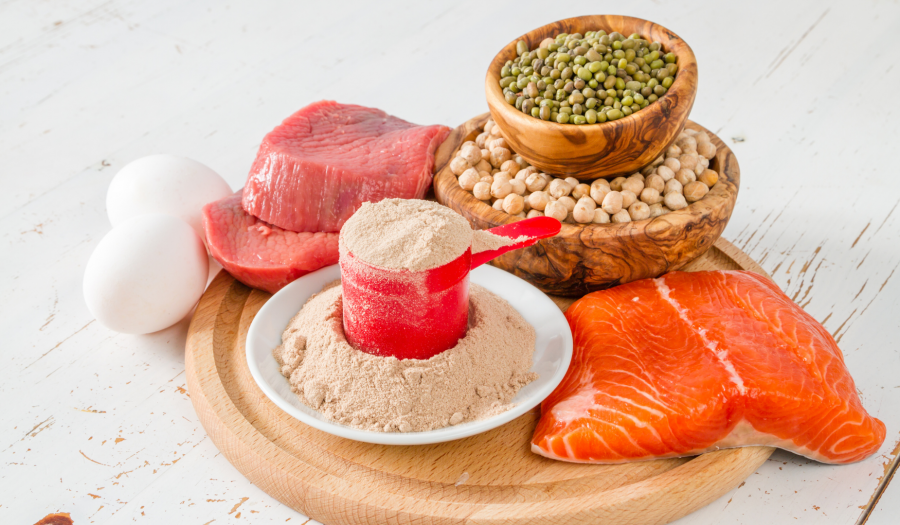
Creatine, the ultimate supplement for: strength, performance and muscle growth
Creatine is a popular dietary supplement known for its numerous benefits for athletes and people seeking to enhance their physical performance. In this article, we will take a closer look at creatine, its effects, and the advantages it can offer.
What is creatine?
Creatine is a naturally occurring substance produced in our bodies and plays an important role in energy metabolism.CreatineIt is primarily stored in the muscles and serves as an energy source during short-term, intense physical activities such as weight training and sprinting. It is also found in some foods, such as meat and fish.
The mode of action ofCreatineIt relies on its ability to increase phosphate concentration in the muscles. This increase accelerates energy production in the form of adenosine triphosphate (ATP). This allows the muscles to contract faster and more powerfully, leading to improved performance and increased muscle strength.
CreatineCreatine supplements are used by many athletes to enhance their performance. Additional creatine intake can increase the body's own creatine storage, leading to improved energy production during exercise. Creatine has been shown to increase muscle endurance and muscle mass, shorten recovery time, and improve performance in short-term, high-intensity activities.
-
How does creatine work?
Creatine is a natural substance found in our bodies that plays an important role in energy metabolism. It is primarily stored in the muscles and serves as an energy source during short-term, intense physical activities such as weight training and sprinting. But how exactly does it work?Creatine works?
The mode of action ofCreatineIt is based on its ability to increase phosphate stores in the muscles. This increase accelerates the production of adenosine triphosphate (ATP), the main energy source for muscle contractions. This allows the muscles to work faster and more powerfully, resulting in improved performance.
Furthermore,CreatineIt also hydrates the muscle cells by drawing water into them. This effect can lead to an increase in muscle volume and give the impression of greater muscle mass.
Advantages in strength and performance
CreatineIt is a popular dietary supplement among athletes and sportspeople because it offers a number of benefits for strength and performance. Here are some of the main benefits ofCreatine:
- Increased muscle strengthCreatine is known to increase muscle strength. By increasing phosphate stores in the muscles, it enables faster ATP synthesis, leading to improved muscle contraction. This allows athletes to lift heavier weights and complete more intense training sessions.
- Improved muscle massTaking creatine can also lead to an increase in muscle mass. This is partly because creatine draws water into the muscle cells, increasing muscle volume. This effect gives the impression of larger and fuller muscles.
- Increase in anaerobic performanceCreatine is particularly beneficial for activities that require rapid and intense muscle contractions, such as sprinting or weightlifting. By increasing ATP availability, it can improve anaerobic performance and delay fatigue.
- Accelerated recoveryCreatine can also shorten recovery time after training. It contributes to the restoration of muscle energy stores and promotes faster muscle regeneration. This allows athletes to train more frequently and intensely.
- Cognitive advantagesIn addition to its effects on physical performance, there is evidence that creatine also offers cognitive benefits. It is believed to improve brain function, particularly in terms of memory and attention.
Muscle growth and muscle mass
Muscle growthand the increase ofMuscle massThese are two of the main goals of many fitness enthusiasts and athletes. In this context,Creatineplay a valuable role. Here are some important aspects to consider regarding the relationship betweenCreatineand should know about muscle growth:
- Increased strength and performanceOne of the most remarkable effects ofCreatineThe goal is to increase muscle strength and performance. By raising the ATP (adenosine triphosphate) level in the muscles, it enables a more efficient energy supply during training. This allows athletes to train more intensely and lift heavier weights, which in turn can lead to increased muscle growth.
- Increase in muscle volumeTakingCreatineCreatine can lead to a temporary increase in muscle volume. This is because creatine draws water into the muscle cells, resulting in a "pumped-up" appearance. Although these changes do not indicate actual muscle growth, the increased muscle volume can still serve as a stimulus for further muscle growth.
- ProteinbiosyntheseCreatine can also increase protein synthesis in muscles. This process is crucial for muscle growth, as it promotes the building of new muscle proteins. By boosting protein synthesis, creatine contributes to optimizing the anabolic environment in the body and thus supports muscle growth.
- Increased training capacityBy takingCreatineTraining capacity can be increased. This allows athletes to perform longer and more intense training sessions. A greater training volume is closely linked to increased muscle growth.
- Increased muscle strengthCreatine is known to increase muscle strength. By increasing phosphate stores in the muscles, it enables faster ATP synthesis, leading to improved muscle contraction. This allows athletes to lift heavier weights and complete more intense training sessions.

-
Supporting brain function
The effects ofCreatineThe benefits to physical performance are widely known, but did you also know that it can support brain function? Here are some important aspects to consider regarding the role ofCreatineWhen supporting brain function, you should know:
- Energy supply to the brainThe brain requires a large amount of energy to function optimally.CreatineCreatine plays a crucial role in providing energy in the form of adenosine triphosphate (ATP) to the brain. Increasing creatine stores can improve ATP availability, leading to a greater energy supply to the brain.
- Cognitive performanceSeveral studies have shown thatCreatineIt can improve cognitive performance. This is thought to be due to its ability to support brain function by increasing energy supply and modulating neurotransmitter function. This can lead to better concentration, memory formation, and mental performance.
- NeuroprotektionCreatine also has neuroprotective properties that can help protect the brain from damage and aging processes. It can reduce oxidative stress, inhibit inflammation, and improve mitochondrial function, all of which are important factors for brain health.
- Mood stabilizationSome studies suggest thatCreatineIt can also have positive effects on mood. It has been shown to be supportive in the treatment of depression and bipolar disorder by regulating serotonin levels in the brain.
Health benefits and other applications
CreatineIt not only offers benefits for physical performance, but can also have various health benefits and other applications. Here are some important aspects to consider regarding the health benefits and other applications of Creatine You should know:
- Neurodegenerative diseases Studies have shown that Creatine It may play a role in neurodegenerative diseases such as Alzheimer's, Parkinson's, and Huntington's. It is believed to have neuroprotective properties and to slow the progression of these diseases.
- Muscular dystrophy In certain forms of muscular dystrophy,Creatine It helps improve muscle strength and maintain muscle mass. It can support the energy supply to the muscles and thus contribute to better function.
- Depression Some research suggests that Creatine It can help in the treatment of depression. It has been found to have a mood-stabilizing effect and to alleviate the symptoms of depression.
- Heart health: Creatine It can also have positive effects on heart health. It has been shown to protect the heart muscle and improve heart function. It can also lower blood pressure and reduce the risk of heart disease.
- Other applications In addition to the aforementioned advantages,Creatine They can also be used in other areas. These include, for example, supporting the immune system, improving glucose tolerance in diabetes, and promoting bone health.
How is creatine used?
CreatineIt is frequently used as a dietary supplement to improve athletic performance and promote muscle growth. Here are some important aspects about how Creatine is used:
- Ladephase: A typical method for taking Creatine This involves carrying out a loading phase. During this phase, typically 20-25 grams are used.Creatine taken daily for a period of 5-7 days to rapidly increase creatine stores in the body.
- Maintenance phaseAfter the loading phase, a maintenance dose of 3-5 grams is usually administered.CreatineRecommended daily dose. This dose is intended to ensure that the body's creatine stores remain at an optimal level.
- TimingTakingCreatineIt should ideally be taken in combination with carbohydrate-rich meals. This helps to improve the absorption and utilization of carbohydrates.Creatineto improve the body.
- Fluid intake It is important to be aware of this while taking Creatine To consume sufficient fluids to support muscle hydration.
- Cyclical application Some athletes choose to do this.Creatine to be used in cycles where periods of intake alternate with periods of non-intake. This is intended to minimize potential side effects and the effectiveness of the Creatine maintain.
- Energy supply to the brainThe brain requires a large amount of energy to function optimally.CreatineCreatine plays a crucial role in providing energy in the form of adenosine triphosphate (ATP) to the brain. Increasing creatine stores can improve ATP availability, leading to a greater energy supply to the brain.

-
Safety and side effects
The safety and possible side effects ofCreatineThese are important aspects to consider before taking the medication. Here is some information on them:
- General safety: Creatine It is generally considered a safe dietary supplement, especially when properly dosed and used. It has been extensively studied, and its safety has been confirmed in numerous trials.
- Gastrointestinal problems Some people may experience temporary gastrointestinal discomfort such as abdominal pain, nausea, or diarrhea. However, this usually only occurs with high doses or in sensitive individuals.
- Water retentionA possible side effect of Creatine This is water retention in the muscles, which can lead to a temporary increase in body weight. However, this is generally harmless and is considered beneficial by many athletes, as it contributes to improved muscle volume.
- Kidney functionThere is no convincing evidence thatCreatineIn healthy individuals, it impairs kidney function. However, caution is advised in people with pre-existing kidney disease, and medical advice is recommended.
- Interactions: CreatineIt may interact with certain medications or substances. It is important to check before takingCreatineConsult a doctor, especially if you are taking other medications.
- General safety: Creatine It is generally considered a safe dietary supplement, especially when properly dosed and used. It has been extensively studied, and its safety has been confirmed in numerous trials.