





Do you look as old as you are? – Blog Ineke Eebes
Meditate for twenty minutes every day, unless you are too busy. In that case, meditate for an hour.” – Paradoxical Buddhist advice
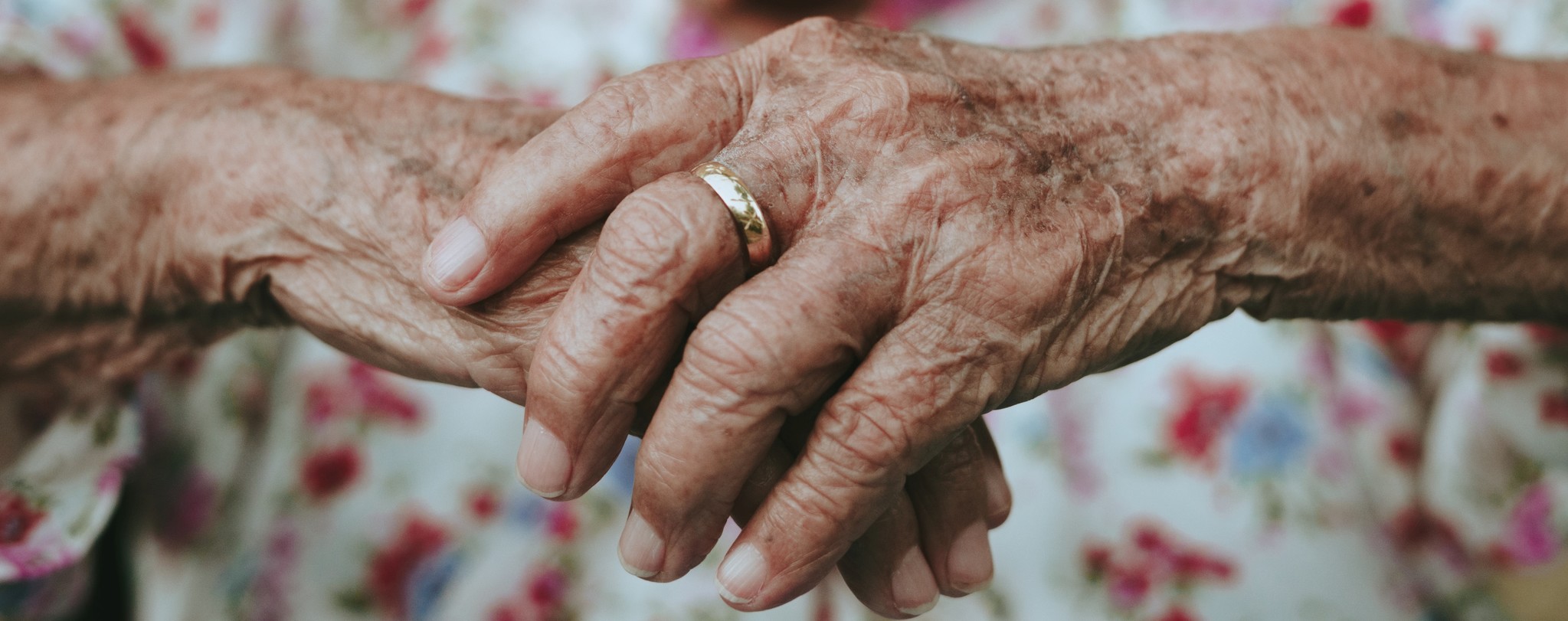
You look in the mirror and think, "Suddenly, it's all happening so fast." Thinning hair, pale and sagging skin... was it like this yesterday? To be clear, there's nothing wrong with aging. It's a beautiful process! I'm perfectly happy with it myself and wouldn't want to be a day younger. Nevertheless, I think everyone wants to look their age. And feel their age too, not 30 years older, and it can happen! I'm not going to talk about skin creams right now. They can be lovely, I know, but true beauty and health come from within. All the time. What's going on in your body influences how you look and what you radiate. That's why in this article I'm going to talk about the most important (and often overlooked) cause of accelerated aging: mild inflammation.
Low-grade inflammation
Low-grade inflammation is chronic inflammation that is not easily detectable in the blood and is not accompanied by classic inflammatory symptoms such as redness, pain, and swelling. It remains dormant and is often barely noticeable at first. These are inflammations that arise when a chronic stressor is present that requires immune activation. The immune system requires a lot of energy, which conserves energy for other, less important processes, such as regeneration. As a result, one ages faster than is biologically necessary. This is visible not only externally but also internally.
Causes
I've already mentioned the cause: chronic stress. Our bodies are designed to cope with acute stress. Like a lion, run away, and if you survive, rest and recover. Chronic stress occurs when the stressor, or cause, is unknown, when a solution cannot be found, or when a single stressful event has been so intense that the body can no longer return to a state of rest. In the latter case, it's referred to as trauma.
When we think of stress, we quickly think of psychological causes such as divorce, arguments, or loss. Even seemingly harmless things can cause stress, like having children or moving house. Besides psychological causes, mild inflammation often has physical causes as well. For example, a Candida infection or a food allergy you're unaware of. An unhealthy diet will inevitably take its toll on inflammation sooner or later.
Interaction
There's a trade-off between physical and emotional stressors. For example, trauma can trigger depression, which in turn causes inflammation. Inflammation caused by an infection or diet can ultimately lead to burnout and depression. Depression and burnout are therefore almost always accompanied by mild inflammation, and vice versa. Which came first, the chicken or...? A tricky vicious cycle, but getting out of it once you're in it isn't impossible!
Indications
All forms of stress, if left untreated, lead to the same bodily reaction: the fight-or-flight response. This state is incompatible with rest and recovery. Mild inflammation can manifest in many ways, depending on your genetic makeup, how you cope with stress, and your environment. It varies from person to person, and therefore, the symptoms are also highly diverse. It often begins mildly with vague complaints such as fatigue, joint pain, poor sleep, muscle tremors, forgetfulness, and accelerated aging. Thin, sagging skin, brittle bones, poor wound healing, gum disease, thinning hair, and brittle nails are also symptoms. Left untreated, this can lead to more serious conditions such as diabetes, osteoarthritis, inflammatory bowel disease, chronic depression, and autoimmune diseases. Since energy depletion always plays a role in such inflammation, fatigue is the primary characteristic of a chronically activated immune system. If you are chronically tired even while sleeping, this is a so-called "red flag." The sooner you recognize this, the sooner you can turn things around.
What can you do?
Nutrition
Although food isn't always the direct cause of inflammation, it's always part of the solution. The paradox is that during times of heightened stress, we often don't crave a carrot or a pear, but instead reach for comfort food. It's the quick fix. Most people know that this only provides short-term relief and ultimately worsens the symptoms. Therefore, I'll focus here on foods that support us during chronic stress.
Eat healthy fats rich in omega-3 and omega-9 fatty acids. Consume sufficient protein from organic sources. Eat plenty of vegetables, fruits, and (coconut) fiber. Focus on algae, mushrooms, bioflavonoids from organic fruits and vegetables, onions, garlic, herbs, ginger, all types of carrots, tubers, and berries, and chlorophyll (in chlorella, all green leafy vegetables; nettles and spinach contain extra).
Variation is important!

Rest
Body and mind need rest to recover. When stressors follow one another in rapid succession, the body doesn't have this time. Build in moments of rest. Especially when you feel rushed, you know it's necessary. Stress, whatever its cause, is like facing a lion to your body—whether that lion is real or imagined. There are effective techniques you can use to calm your central nervous system. This essentially tells your body, "Calm down, everything is alright. There's no danger, you can relax." Breathing techniques are very effective. Ten minutes of heart coherence breathing is enough to change your life. There are many resources for this online. Cold exposure is one of my personal favorites.
biorhythm
Overnight, your body repairs and renews itself. This requires sleep. Deep sleep. You need energy to sleep. If you have structurally insufficient energy because your immune system is using it to fight inflammation, you go to sleep and end up sleeping more and more. Those who don't sleep through the night can hardly regenerate. You can't fix a moving train. Try not to eat anything in the two hours before bedtime. Digestion takes energy, which you actually want to use for sleeping and rest. Avoid alcohol in the evening; instead, drink an herbal tea made from, for example, hops, lavender, passionflower, lemon balm, and anise.
Herbs and supplements
Certain herbs and supplements can help slow down inflammation. Algae oil, krill oil, or fish oil in jars are (temporarily) recommended. Substances that have both anti-inflammatory and stress-regulating effects include turmeric and omega-3 fatty acids. Ashwagandha is a very powerful stress-regulating plant. It doesn't eliminate the cause, but it makes it easier to manage. You can temporarily use protein or collagen powder to nourish your connective tissue. Choose high-quality products. To support digestion, you can take digestive enzymes and betaine HCL. This ensures better absorption of your nutrients. As a result, you'll have more energy, which you can then use to, for example, get a good night's sleep and investigate the underlying cause.
With health, wisdom, and love,
Ineke Eebes
Orthomolecular Specialist for Depression and Burnout
www.holymayo.nl


