





Is too much or too little stomach acid the cause of problems? - Blog by Ineke Eebes
Good digestion comes from appetite, and health from both – William Shakespeare
Many people suffer from heartburn. By this, I mean both heartburn and acid reflux. It's painful, it burns, and you can feel bloated. It's very unpleasant, and if it continues for an extended period, you'll run into problems. Often, the symptoms are suppressed with antacids. There's some merit to this in the short term. In the long run, however, I would recommend looking for the underlying cause.
What is heartburn?
Stomach acid is produced by the lining of the stomach and is needed to digest food, kill pathogens, and break down proteins and minerals. It's often assumed that heartburn is caused by an excess of stomach acid. This is usually not the case; heartburn is actually caused by a deficiency of stomach acid. Too little stomach acid is produced, so your proteins stay in the stomach for too long and begin to burp. Food ferments and rots. This causes gas and pressure in the stomach. This pressure can open your sphincter in your esophagus, allowing stomach acid to flow back up, a process known as reflux. This creates a burning sensation.

Heartburn is therefore an important indicator that something isn't quite right with the digestion of our food. In addition to the symptoms mentioned above, you may notice this through fatigue and the feeling that your food isn't going down properly.
What causes digestive problems?
Helicobacter pylori
Helicobacter pylori is a major cause of stomach ulcers and low stomach acid. We all carry these bacteria, but too many can cause serious stomach problems. (In nature, it's all about balance.) Other substances that lower stomach acid include sugar, dairy products, grains, and antacids.
Zinc Deficiency
Before stomach contents can enter the intestines, they must first be neutralized. The small intestine cannot withstand stomach acid, just like our esophagus. This happens with the help of bicarbonate, which is produced by the pancreas. This substance is zinc-dependent. A lot of zinc is needed. 75% of your zinc goes into bicarbonate production. Since zinc also has other functions (for example, with your immune system), you should have a fairly good zinc level for a little bicarbonate. If the stomach is not sufficiently neutralized, the stomach contents remain in the stomach for too long, just as with too little stomach acid, which leads to problems.
Sugar
Sugar and carbohydrates disrupt the balance of bacteria in the stomach and intestines and provide a breeding ground for Helicobacter pylori. Furthermore, insulin is required for the absorption of sugar. This hormone is also produced in the pancreas. If the pancreas is busy all day producing insulin to get rid of all the sugar, it no longer has the energy to produce bicarbonate. As a result, the stomach remains in the digestive tract with its contents for too long.

Enzyme Deficiency
The pancreas is not only responsible for producing bicarbonate and insulin, but also regulates the digestive enzymes necessary for digesting food. Overburdening the pancreas with too much sugar and refined foods impairs other functions, such as enzyme production. This slows down digestion.
Stress
Another important cause of low stomach acid is stress or anxiety. Stress causes the digestive system to slow down. This makes sense, as digestion requires a lot of energy. It's like running away from a lion. It's one or the other. Where do you think the energy goes when a lion is standing in front of you? Exactly, and that applies to a chronically anxious or self-conscious lion as well.
Consequences of Chronic Low Stomach Acid
Heartburn isn't just painful and unpleasant. It has far-reaching effects on the rest of the digestive system. Remember, what you can't digest, your body won't absorb, ultimately leading to deficiencies across the board.
Nutritional Deficiencies
The consequences of digestive problems lead to protein deficiency. Proteins are the building blocks of your body. Minerals cannot be separated from proteins, which means they can't be properly absorbed either. A vitamin B12 deficiency, in particular, occurs in people with high stomach acid and those who take antacids long-term. You develop symptoms of dehydration. This reduces the quality of your bones, cartilage, and muscles. You become stiff. Your blood pressure rises, and your energy levels drop. The only thing your body can still digest is carbohydrates, which actually exacerbates the problem.
Pathogenic Growth
Bacteria, as well as fungi and other pathogens, are given free rein. They are no longer killed by acid and can therefore gain the upper hand.
What can you do?
- Avoid refined foods, sugar, grains, dairy products, and painkillers as much as possible.
- Eat meat or fish with vegetables or fruit, not with pasta, rice, or bread.
- If you have dessert (usually dairy or sugar), eat it at least half an hour after your meal.
- Chew your food thoroughly. It sounds boring, but good digestion starts in the mouth.
- Don't drink while eating. Too much water dilutes stomach acid, slows digestion, and keeps pathogens alive.
- Boost your stomach acid by drinking a small glass of water with lemon juice 15 minutes before eating. Lemon juice activates cells that produce a hormone (gastrin) which stimulates stomach acid production.
- Optimize your vitamin and mineral intake. Minerals are naturally present in fruits and vegetables, but you can also temporarily use a multi-mineral supplement.
- If needed, temporarily use digestive enzymes to relieve pressure on the pancreas and aid digestion.
- Temporarily supplied with a loose and active B12 orodispersible tablet. This is absorbed through the mucous membranes.
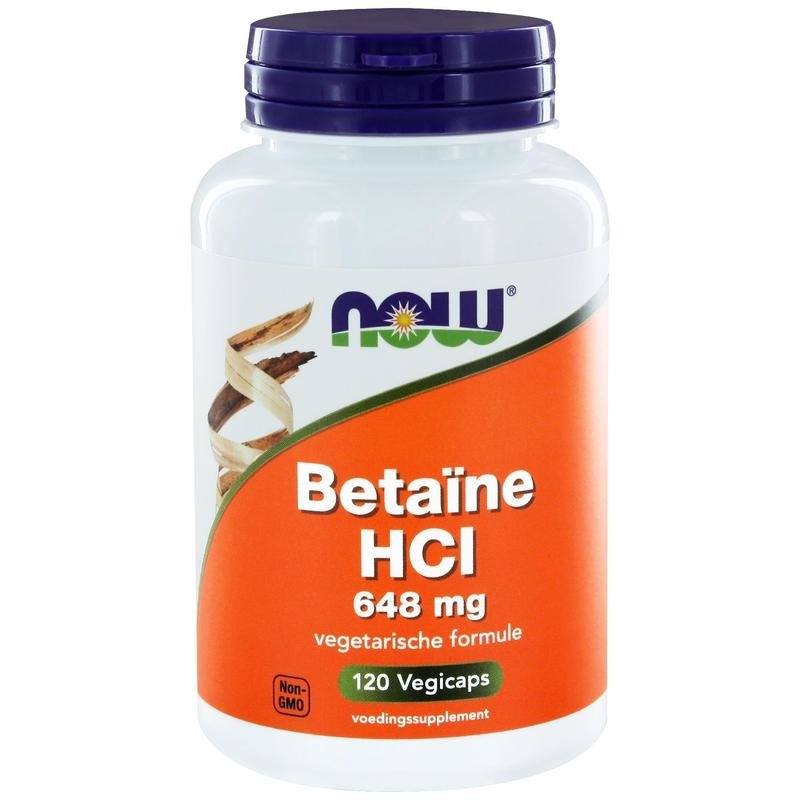
- You can also temporarily increase your stomach acid with betaine HCl.* from a glass.
- Coping with stress.
Ineke Eebes
Orthomolecular specialist for depression and burnout
|
This blog does not replace the procedures prescribed by your doctor or specialist. For severe stomach upset, you should always consult your doctor. In the meantime, you can, of course, begin a healthy diet. * Only use betaine HCL if you are certain that your stomach lining is intact. Have this checked by a specialist. |
 |


