




Natural relief from hay fever, Ineke Eebes
Natural Relief for Hay Fever
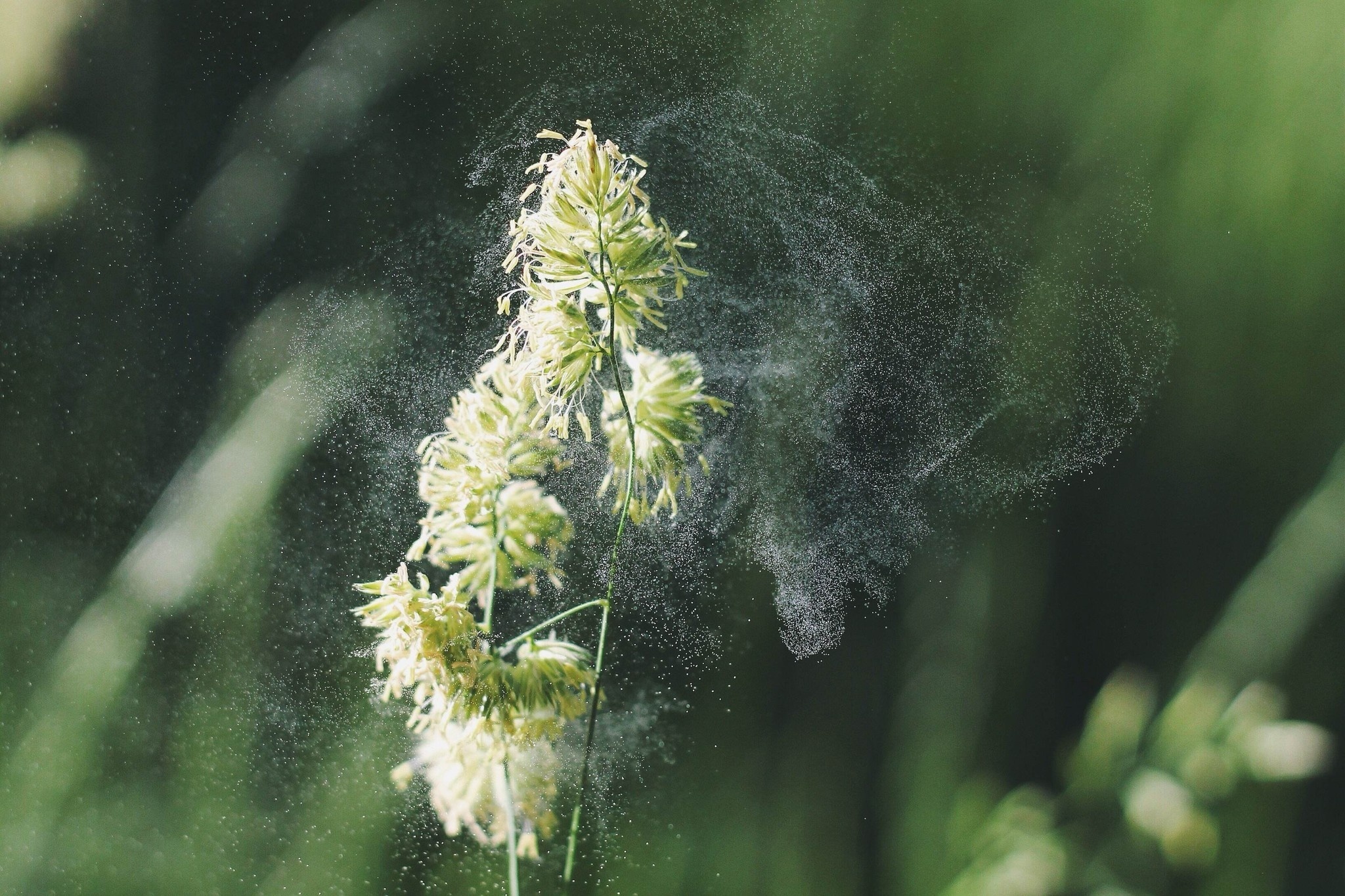
Hay fever can be very unpleasant. Itching, runny nose, mucus, sneezing, and congestion all the time. You can even get a bit of a fever. This year it might be even worse. I've noticed people jumping aside in the street with just a sniffle, afraid of catching COVID. There are even T-shirts on the market that say, "Don't panic, I just have hay fever." I've even considered getting one myself.
Hay fever is an allergy. We know the symptoms, but what is it really? An allergy is an exaggerated reaction of the immune system to a relatively harmless substance that enters the body. By "into the body," I mean through the body's defenses. In the case of hay fever, it's pollen that enters our bloodstream via the mucous membranes of the lungs, nose, and throat. The body then perceives pollen as a threatening substance and mounts an immune response to neutralize the perceived threat. Snot and mucus, along with sneezing, are an attempt to expel this perceived threat. A truly remarkable reaction from the body!
There are various remedies on the market for hay fever. The most common are immunosuppressants or antihistamines. Both fall under symptom management and have advantages and disadvantages. I consider the side effects a major drawback and therefore prefer natural remedies to medications.
Vitamin C
A relatively unknown but very effective remedy in the fight against hay fever is vitamin C. Anyone who knows me knows that I'm a big fan of vitamin C. One of the reasons I use it in high doses* during hay fever season is because of its strong antihistamine effect. Vitamin C breaks down histamine. Furthermore, it also supports your immune system, and these are two reasons to use it for hay fever. A third reason is that it has no side effects. Click here for more information on vitamin C.

Probiotics
The gut also plays a major role in allergies. A well-functioning immune system is directly linked to smooth gut function. Few people think about this, but consider this: How is it possible for foreign substances to pass through the mucous membranes and the intestinal wall? These mucous membranes are meant to stop the "enemy" at this boundary. If invaders are allowed through, there may be something wrong with the quality of this barrier. I always recommend carefully reviewing your diet. A course of probiotics can be an important part of this. Click here for more information on probiotics.
Vitamin A
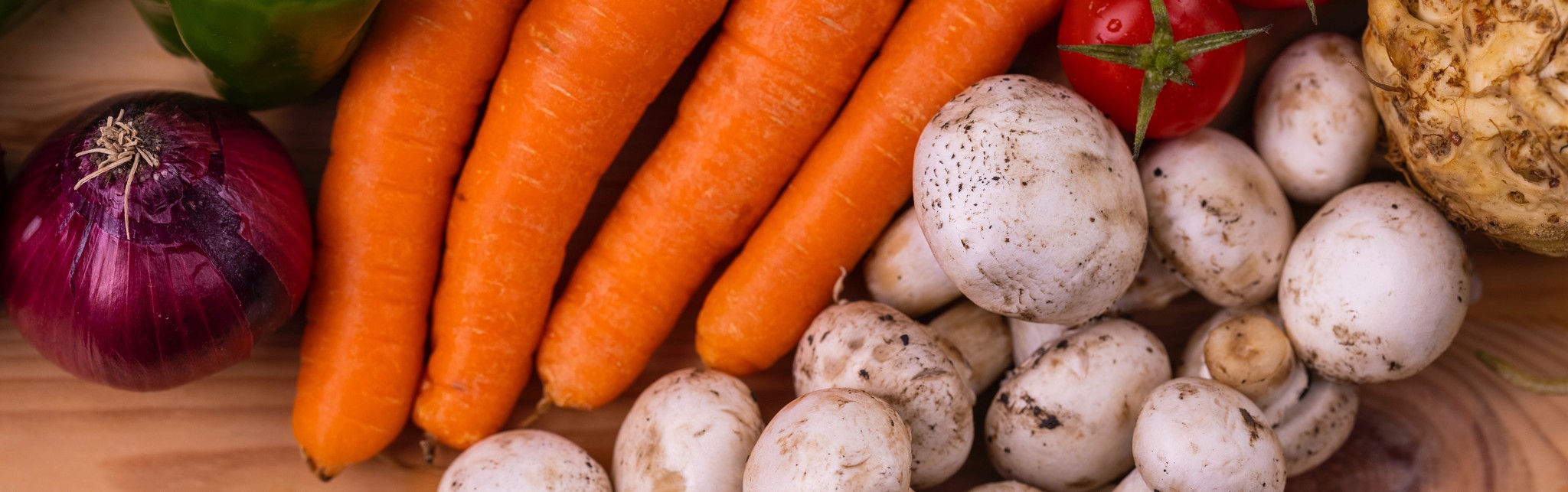
Vitamin A, along with vitamin D, is an important nutrient that plays a role in the strength of the body's natural barriers. These include the mucous membranes, the skin, as well as cell walls and blood vessels. Vitamin A is found in foods such as butter, eggs, fish, liver, carrots, soybeans, and sweet potatoes. Click here for more information on vitamin A.
Vitamin D
Vitamin D also plays an important role in allergies. Vitamin D acts as a kind of regulatory agent for the immune system. It helps keep the immune system calm. Not so "overly" active, you might say. So, of course, you need vitamin D! (See also my column "Sun Wise".) Most people in Germany currently have a vitamin D deficiency.
Scuttelaria
Scuttelaria, also known as skullcap, is used as a powerful antihistamine. This herb is considered one of the fundamental herbs of Traditional Chinese Medicine. It is also used for insomnia, which can be an added benefit. Click here for skullcap.
Symptom Control vs. Curing
Be aware that the methods mentioned above can be natural remedies, but they only treat the symptoms and therefore do nothing to address the underlying cause of hay fever. What causes a weakened immune system? Besides genetic predisposition, it is often related to an unhealthy diet (often without your knowledge). Chronic stress also plays a significant role. Did you know that 95 percent of allergies seem to have a psycho-emotional rather than a physical cause? For example, unresolved trauma. I'm not talking about severe trauma, but rather the trauma that everyone experiences in life. Based on this understanding, many people seem to have found relief from allergies through hypnosis.
[This last sentence appears to be a fragment and is omitted from the translation.] Then two small but essential insights.
- Often, a panicked immune system is also related to a simple lack of fluids and minerals. Therefore, drink at least 2 liters of water daily and check whether you are consuming enough minerals.
- Exercise can also help during a hay fever attack. When you start exercising, your immune system calms down. This is due to our evolutionary needs. You always have to be able to outrun a lion. That's why your muscles take priority over your immune system when it comes to energy allocation. It's a kind of distraction tactic. I know that when you're feeling miserable, exercise isn't the first thing that comes to mind, but try half an hour of intense activity. Jogging, weight training, or yoga. You'll see that it brings relief.
Ineke Eebes
*Consult a specialist for the proper use of supplements if you have health problems or are taking medication.
*Use vitamin C if you want a high dose, or ascorbic acid. Ascorbic acid with bioflavonoids is even better. If you don't tolerate the acid, use sodium ascorbate. Use it correctly, which means getting enough if you have hay fever. Start with 1 to 2 grams in the morning, then take 500 mg to 1 gram every hour. Vitamin C has no upper toxic limit and is not dangerous. It can cause diarrhea. If your intestines start growling, it means your body is saturated. It's no longer being absorbed, and you can reduce the dose. CAUTION: People with (congenital) kidney problems may have difficulty processing large amounts of vitamin C. If in doubt, always consult a doctor first!


