

Not feeling well? Kefir can help you feel fit again!
Your diet, stress, and perhaps even a flu virus can affect the balance of bacteria in your gut flora. You may notice this in your immune system and overall health, potentially experiencing skin problems or constipation. The right probiotics can help restore balance to your body and gut.
Ever heard of kefir?
Kefir is a fermented milk- or water-based beverage that has existed for thousands of years and is consumed for its health benefits. Kefir is highly nutritious, rich in probiotics, and supports digestion and a healthy gut flora. Today, we'd like to tell you a little more about this wonderful product.
What is fermentation?
Fermented products have been known for their health benefits for centuries. Through fermentation, microorganisms transform certain nutrients in food, altering its acidity, taste, smell, or appearance. The product acquires different properties, becomes more digestible, and often has a longer shelf life. Fermented products include yogurt, sauerkraut, cheese, wine, kombucha, and soy sauce.
What are probiotics good for?
Your stomach and intestines contain many living microorganisms such as bacteria, yeasts, and fungi that work together to keep you healthy. Together they will maintain yourmicrobiomeThey are called gut bacteria. They help you digest food properly and eliminate toxins. Very useful, but they can be thrown out of balance by certain foods (especially sugar), medications, stress, or inactivity. This leads to complaints about digestive problems, allergic reactions, and mood swings. Therefore, it is important to maintain the right balance of bacteria in your gut.

Why kefir?
You can restore a disrupted balance by changing your diet and exercising more, but probiotics can also help. Yogurt, buttermilk, and skyr are probiotic dairy products that are good for your gut, but with up to 61 different types of bacteria and yeast, kefir is considered an even more effective probiotic dairy product. Thanks to fermentation, milk kefir contains more essential amino acids than regular milk. Kefir also provides vitamins B1, B2, B5, C, A, and K and is a good source of the minerals magnesium, calcium, and phosphorus.
How do you make kefir?
To make kefir, you need two ingredients: milk and kefir grains. These grains are a combination of bacteria and yeasts, look a bit like cauliflower, and are also called kefir plants. The kefir grains are added to the liquid, which is then left to stand at room temperature. During this process, the lactic acid bacteria convert the sugar (including lactose in the milk) in the drink into lactic acid.
- Place 1-2 tablespoons of kefir grains into a preserving jar;
- Add two cups of good quality raw milk, leaving about 2 to 3 cm of space at the top of the pot;
- Place the lid on the jar and leave it at room temperature for 12 to 36 hours;
- Strain the grains from the kefir and store them until the next time you make kefir.
You now have delicious, healthy kefir; tangy and tangy in taste and a real health boost!
Probiotics therefore help you keep your gut healthy and ensure that you feel well and can function properly. Kefir is a very healthy drink due to its abundance of probiotic bacteria and yeasts. Drinking a glass of milk or water kefir daily can prevent or reduce many health problems.
Water kefir starterThis water kefir starter is used to make your own water kefir from water, sugar, dried fruits such as figs, various juices, and coconut water. Water kefir is a traditional fermented beverage containing many bacterial cultures.
|
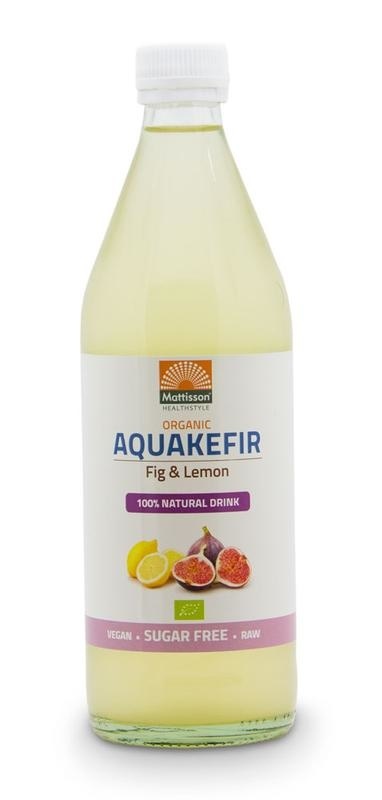
Mattisson KefirThis aquakefir is made from sun-dried figs and citrus fruits. Kefir is known for its pre- and probiotic properties and has been used for hundreds of years. |
Kefir book, written in DutchThis book contains many recipes using milk and water kefir.
|
Mattisson Kefir ConcentrateKefir, a small fungus, has been known for its beneficial effects for hundreds of years. It contains a unique and complex mixture of beneficial bacteria and yeasts that can be found nowhere else.
|
|
|
|