




Osteoarthritis and the role of silica in regeneration - Blog Ineke Eebes
"It is not the doctor, but the body that heals the disease." - Hippocrates
Last week I met someone who told me that his arthritis always gets worse in the fall, even though things are going well, and that he might need another injection. The pain was almost unbearable. When I hear that, everything goes through my head. Of course, I always offer to take a look at the symptoms and how they can be improved through diet. Then I realize that it's so deeply ingrained, that arthritis is irreversible. The conversation falls silent. A little murmur, and we wish each other a good weekend.
From the perspective of orthomolecular medicine and my ambition to spread this knowledge throughout the world, I found this a good reason to dedicate an article to this topic.
What is osteoarthritis?
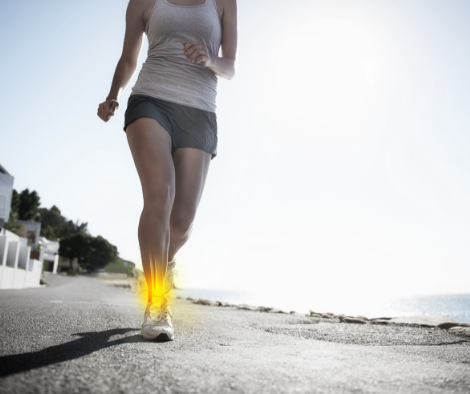
Osteoarthritis is the wear and tear of cartilage. It affects about 1 in 6 people. Common sites include the knees, hips, toes, and fingers. In osteoarthritis, the cartilage between the joints wears away, causing the joints to rub against each other. This can be very painful, not because the cartilage itself hurts (they don't have nerves for that), but because this process causes inflammation in the joints. The discomfort is usually worse in periods, especially with certain movements like climbing stairs. It flares up from time to time and may subside again after a while. When inflammation and swelling develop, we often call it arthritis. (Rheumatoid arthritis is something different; it's an autoimmune disease.)
Osteoarthritis is typically treated with painkillers or corticosteroid injections. The drawback of these medications is that while they temporarily eliminate the pain (the symptom), they cause unpleasant side effects in the long run. Corticosteroids, for example, significantly weaken your immune system. Painkillers like ibuprofen can cause stomach and intestinal bleeding, and there is growing evidence that these medications actually worsen osteoarthritis in the long term. And, of course, they do nothing to address the underlying cause: a disruption of the body's homeostasis, which leads to wear and tear and inflammation.

What is cartilage?
Cartilage is connective tissue. It consists of cells, spaces, and fibers. These fibers are made up of amino acids along with various vitamins and minerals. The strength of the CollagenThe amount of elastin fibers is partly determined by the amount of vitamin C. In one of my previous articles, you can read about the structure of connective tissue and 'Why a vitamin C deficiency increases susceptibility to injury'.
Cartilage can be thought of as a kind of shock absorber between the joints. It has a smooth surface with a moist layer around it, allowing the bones to glide easily over each other. Because cartilage has to absorb considerable impacts when running or jumping, for example, it is very resilient. For this reason, cartilage contains a lot of water. This water is bound to proteoglycans, which act like sponges, absorbing water. Under pressure, this water is squeezed out again.
If cartilage is worn out, can it grow back?
Gone is gone. That's the usual approach. However, if cartilage is partially worn away, it can simply regenerate. If living cells are still present, can they multiply? Why not? However, they need the right raw materials and conditions to grow. Let's say you want to build a house and you have the right resources; do you need as much as you need to maintain a house, or do you need more?
Nutrition
Therefore, it's important that you get the right nutrients for building and maintaining cartilage: sufficient protein, minerals, vitamins, and water. These are essential. It's also important that you can digest and absorb these substances.
An important and indispensable substance that I would like to highlight now in relation to cartilage regeneration is Silica or siliconSilicon is needed for the formation of hair, skin, nails, bones, tendons, artery walls, and cartilage. Silicon is a mineral, and we cannot produce it ourselves. Therefore, we must obtain it through our diet. Silicon is often referred to as the hair mineral. You can recognize a silicon deficiency by brittle nails that break easily, dull and lifeless hair, and dry, wrinkled skin. Can you imagine what's going on inside when you notice these external signs?
Horsetail
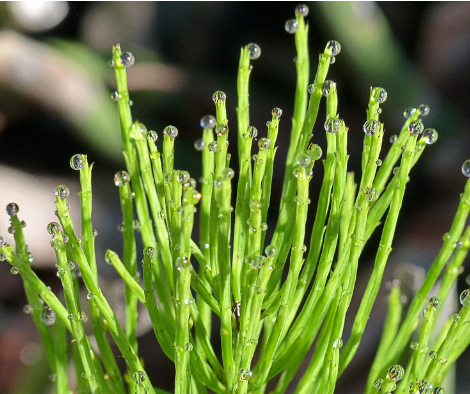
Horsetail is an herb with a high silica content. It is often considered a weed, but phytotherapists know that horsetail is a very versatile plant and can be used medicinally. It helps to strengthen and maintain elastic tissue, such as that of the aortic and vascular walls. The flavonoids have a vein-strengthening effect and Horsetail It slows down the aging process and reduces the risk of arteriosclerosis. Horsetail also has a positive effect on blood circulation. Silica also helps prevent fatty deposits in the veins. You can silicon You can also buy it as a supplement. Then choose a liquid form. Silicon, along with [other ingredients/components], is a good combination for building and strengthening connective tissue. MSM, Glucosamine and Chondroitin.
Anti-inflammatory
For the formation and maintenance of cartilage, optimal digestion is just as important as a healthy diet. On the other hand, it's not just about what you eat, but also about what you don't eat.
If you want to prevent or slow down inflammation, it's important to avoid pro-inflammatory foods. What are these mainly? First, they are all products containing linoleic acid or omega-6 fatty acids. A little bit is fine, of course. We sometimes need it. An ignition needs to burn well and then be properly extinguished. This extinguishing process is achieved through... Omega 3, Fish oilThe problem isn't Omega 6 itself, but the ratio between Omega 3 and Omega 6. People typically get far too little fish oil, and especially too much Omega 6. As a result, the inflammation doesn't subside.
Therefore, if you have osteoarthritis, limit foods high in linoleic acid. Linoleic acid is found in large quantities in vegetable oils. With the exception of olive oil, it is necessary to remove (and discard) all vegetable oils from your kitchen cupboards. Never buy them again. These oils are pro-inflammatory and oxidize rapidly in your body (including your blood vessels).
Ineke Eebes
Orthomolecular specialist for depression and burnout
Disclaimer: If you are unsure about the correct dosage and use of horsetail, consult a specialist. This information is not a substitute for medical advice. Always consult your doctor if you experience any health problems.


