




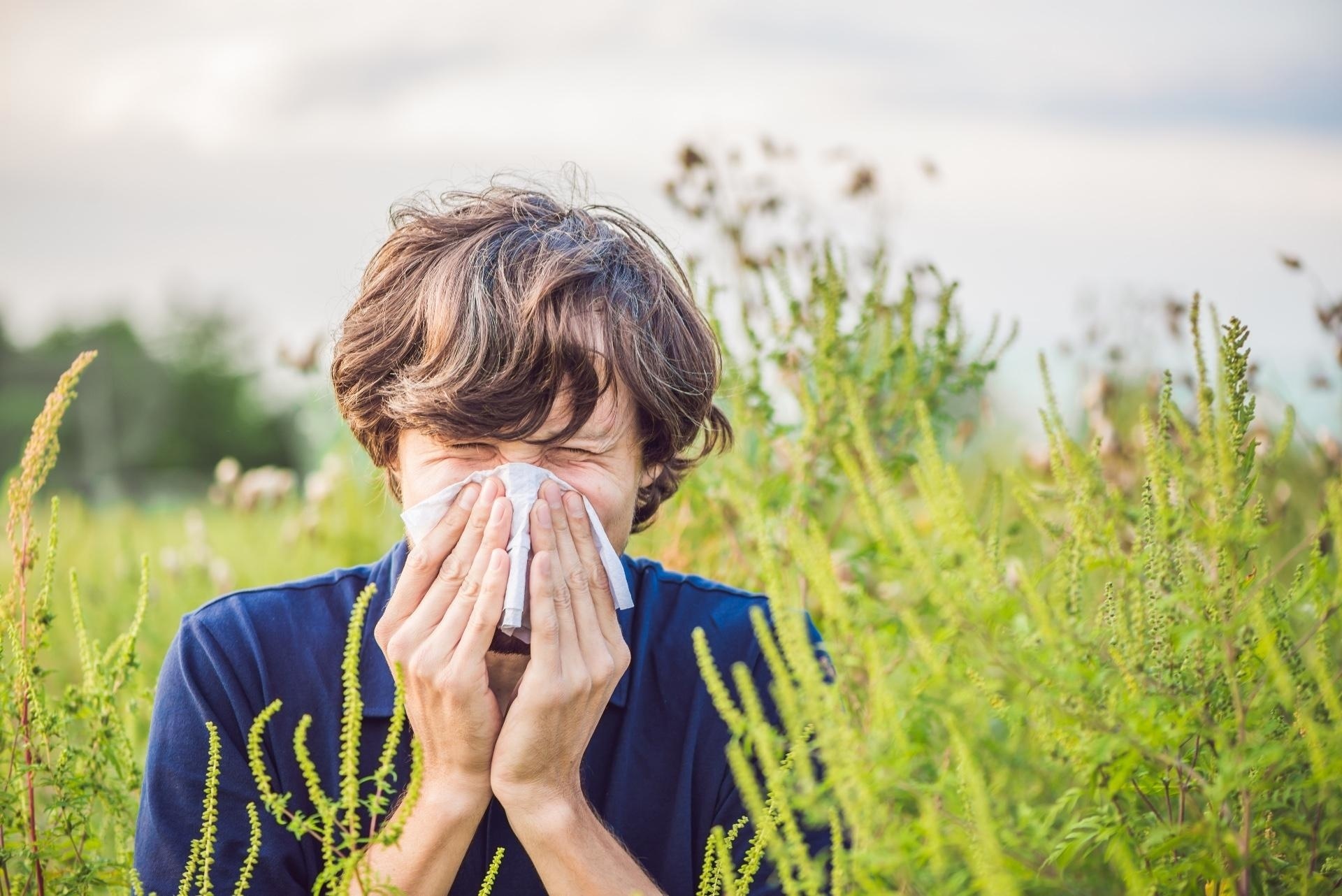
Pollen or insect bites? The differences between hay fever and allergies at a glance.
Spring is here and summer is just around the corner. This means many people are enjoying the warm weather and outdoor activities. However, for some, these seasons can be a nightmare because they suffer from allergies. If you experience sneezing, watery eyes, and a stuffy nose, it could be hay fever. But if you have itchy bumps or swelling after an insect bite, you may be allergic to insect bites. In this blog, we'll discuss the differences between these two allergies to help you better understand what they are and how to manage your symptoms.
What is the difference between hay fever and allergies caused by insect bites?
Hay fever and allergies caused by insect bites are two different types of allergies, each with its own causes and symptoms. Hay fever is caused by an overreaction of the immune system to pollen from grasses, trees, and plants that floats in the air during spring and summer. Symptoms of hay fever include sneezing, an itchy and runny nose, nasal congestion, itchy and watery eyes, coughing, fatigue, and a general feeling of being unwell.
If you suffer from hay fever, you can take various preventative measures to avoid allergic reactions. Here are a few tips:
- Check the pollen forecast regularly and try to stay in the air on days with high pollen concentrations.
- Keep windows closed at home and in the car, and use air conditioning to reduce the pollen concentration in the house.
- Consider purchasingHay fever spray.
- Avoid drying clothes or bedding outdoors, as pollen can cling to them.
- Shower or bathe immediately after being outdoors to remove pollen from your skin and hair.
- Consider using an air purifier in your home to improve air quality and reduce pollen.
- Take Hay fever tabletsto alleviate the symptoms.
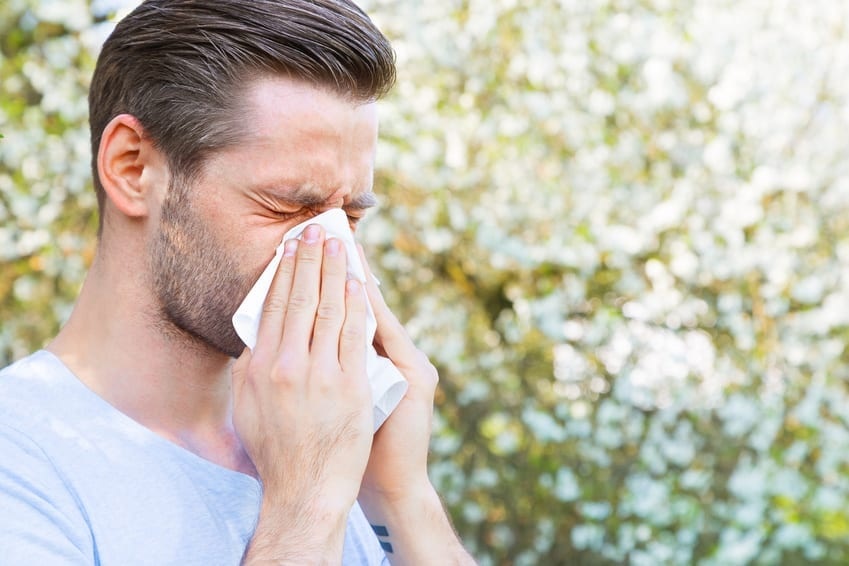
If you suffer from an insect bite allergy, you can take various preventative measures to avoid allergic reactions. Here are some tips:
- Wear protective clothing, such as long sleeves and trousers, when you are outdoors, and avoid scented products that can attract insects.
- UseInsect repellents such as DEET, when you are outdoors, and follow the instructions on the packaging.
- Avoid disturbing bee or wasp nests and have them removed by professionals.
- Be careful when working in the garden or walking in nature, and regularly check for insect bites.
- Consider carrying an adrenaline auto-injector if you have previously had a severe allergic reaction to insect bites.
How does insect bite allergy work?
Allergies caused by insect bites result from an overreaction of the immune system to the toxins released by the insects when they bite. The most common insects that can trigger allergic reactions are bees, wasps, hornets, bumblebees, mosquitoes, and ticks. When someone with an insect bite allergy is stung, their immune system produces an excessive amount of antibodies in response to the toxins, leading to the symptoms of an allergic reaction.
What are the symptoms of an insect bite allergy?
Symptoms of an insect sting allergy can range from mild to severe and include itching, redness and swelling at the sting site, hives, dizziness, fainting, difficulty breathing, swelling of the throat or tongue, rapid heartbeat, and, in severe cases, anaphylactic shock. Anaphylaxis is a life-threatening condition and requires immediate medical attention.
How do I treat an insect bite?
The treatment for an insect sting allergy consists of avoiding contact with insect bites and, in the event of an allergic reaction, managing symptoms with medications such as antihistamines, corticosteroids, and epinephrine auto-injectors. People with an insect sting allergy should always carry an epinephrine auto-injector and know how to use it in an emergency. It is important to seek medical attention if symptoms of an allergic reaction occur, even if you do not have an epinephrine auto-injector readily available.
If you suspect you are allergic to insect bites, it is important to see a doctor and undergo allergy testing to identify the specific insects causing your allergy. An insect bite allergy can be a serious condition, but with the right preventative measures and treatment, people with this allergy can lead normal lives and enjoy outdoor activities in the spring and summer.


