





Tips for cold feet and rough skin
If you suffer from cold fingers or toes, it can be very bothersome. They may turn red or blue, and in some cases, white. There may be a numb feeling, or they may be very itchy and painful.
Many people suffer from this. The technical term is chilblains or winter feet. Fortunately, it's a harmless condition, but it's annoying. Therefore, here's some more information and tips on how to deal with it properly.
The terms chilblains or winter feet often suggest a problem that only occurs in winter. However, you can also suffer from them on a crisp spring or summer day. The problem lies primarily in poor or insufficient blood circulation. The extremities then feel cold more quickly. It's important to take good care of your fingers and toes.

Chilblains are the result of problems in the capillaries. If you suffer from them, you'll notice them especially during temperature changes. In damp, cold weather, your hands and feet can become red and mottled. The sensations include pain, itching, or burning. Painful wounds can also develop. On the feet, this manifests as cracks.
Protect yourself from the cold
If you suffer from cold hands or feet in winter, it's important to protect yourself well from the cold. Dress in layers and wear gloves. Good socks and proper footwear are essential for your feet.
Furthermore, it is very important to moisturize your skin if it is dry. For example, use argan oil on your hands and feet. Argan oil stimulates blood circulation and absorbs quickly, so it doesn't feel greasy. For dry and painful feet, you can use argan oil before going to bed. Apply the argan oil to your feet and then put on socks so it can be absorbed overnight.
Apply a rich cream to your hands before going out. This creates a protective layer.
What improves blood circulation?
As mentioned previously, chilblains are related to blood circulation. Using creams and similar products is a temporary solution, but it won't solve your problem. There are several dietary supplements that support good blood circulation.
Garlic
Allicin is the main active ingredient in garlic. Isn't garlic enough for good blood circulation? Unfortunately, allicin must first be extracted from the plant and is not present, or only in very small amounts, in cloves.
|
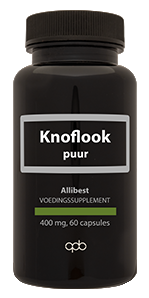
Few garlic supplements contain a high dose of the active ingredient allicin. Pure Garlic from APB Holland contains pure garlic extract with 5 mg of pure allicin. Among other benefits, it supports circulation and is a powerful antioxidant that protects healthy cells and tissues. The capsules are halal, kosher, and vegetarian. Due to their delayed release, the allicin only breaks down in the intestines. This reduces the risk of reflux or bad breath. |
 |
Ginko Biloba
Ginkgo biloba is a plant extract obtained from the leaves of the Chinese ginkgo tree. This tree has existed since the age of the dinosaurs. Ginkgo biloba extract has been used in traditional Chinese medicine for thousands of years to treat a wide variety of physical ailments.
|
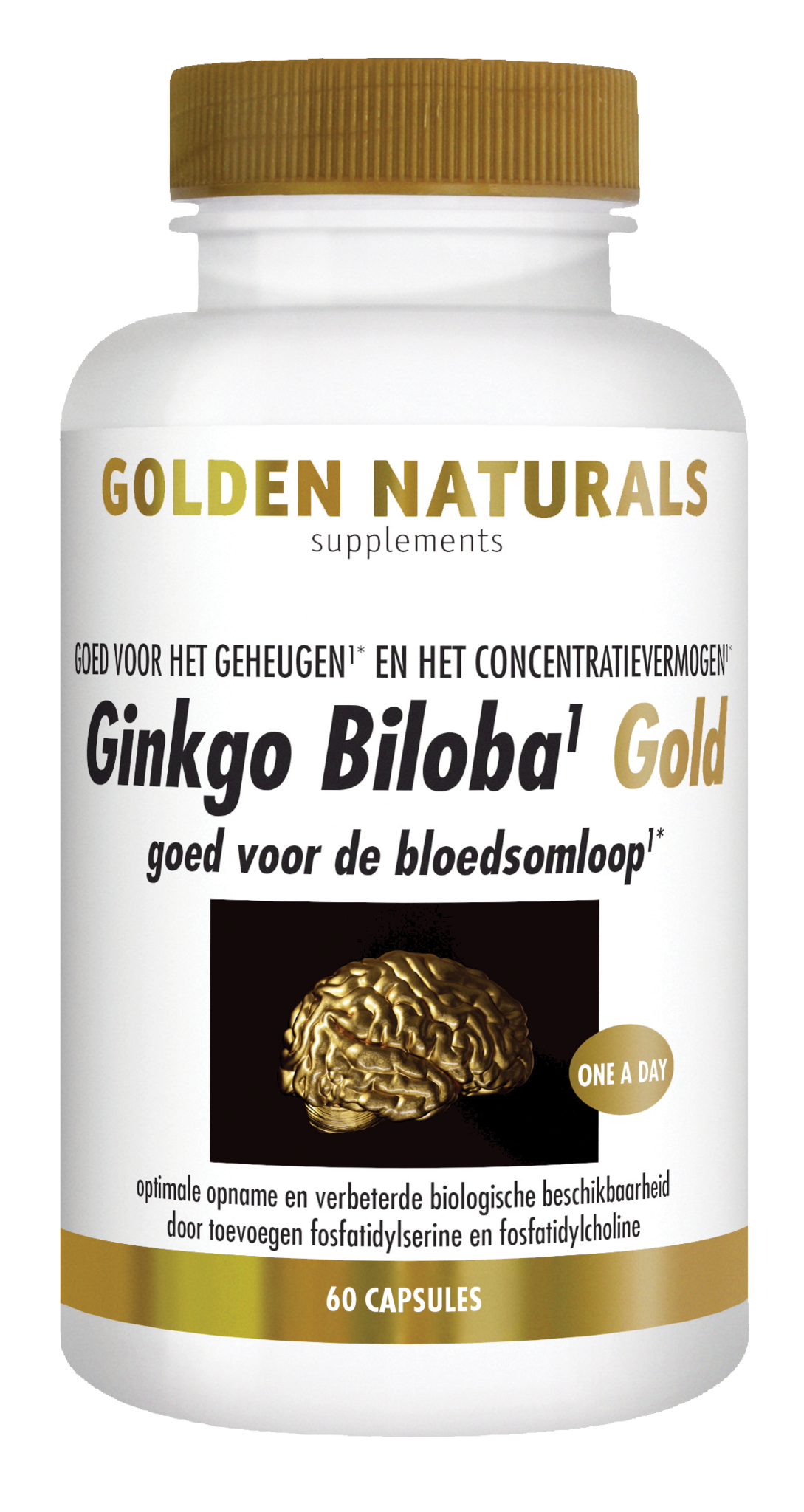
Ginkgo biloba is rich in flavonoids and terpene lactones. These flavonoids and terpene lactones improve blood circulation and dilate and strengthen blood vessels. These properties contribute to the many health benefits of ginkgo biloba. Because ginkgo biloba has vasodilating and blood-thinning effects, its use can help stimulate blood flow. |
 |
If you suffer from dry, chapped hands or feet in winter, it's very annoying. Besides using products that keep your skin moisturized and hydrated, it's important to check your circulation. Always consult your doctor before starting any supplements.


